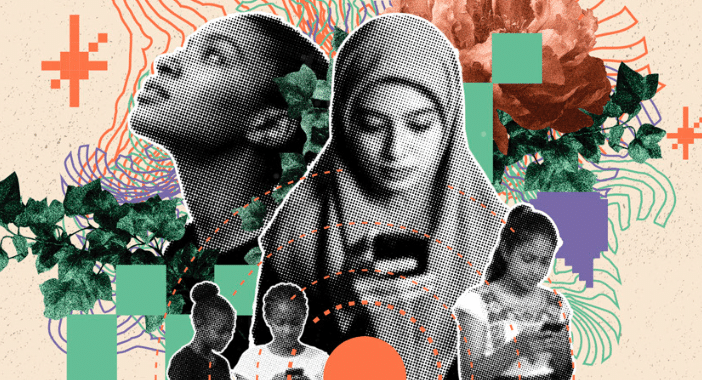
In October 2026, Global Resilience Fund (GRF) released a tech brief titled, “On the Frontlines of Feminist Technology and Holistic Digital Security: Resourcing Girls and Young Feminists” and the full report on the subject “Weaving Decolonial Feminist Tech for Survival, Care & Resistance,” examining how young feminists experience technology-facilitated gender-based violence (TFGBV) and how they are reclaiming technology to support their communities and resist oppression. The reports explore the risks created by digital technologies, while highlighting how feminist movements are building alternative technological systems grounded in collective care, safety, autonomy, and justice.
GRF argues that technology often reinforces racial, caste-based, and gender inequalities, because it concentrates power in the hands of corporations and governments. In order to combat this, GRF argues that the communities most affected by technological harm must have a central role in shaping the technologies they use.
The reports explain how TFGBV extends existing patterns of discrimination and control into digital spaces. Forms of abuse include online harassment, doxxing, cyberstalking, hacking, online impersonation, and the non-consensual sharing of intimate images. These attacks can threaten activists’ reputations and discourage individuals from participating in public advocacy. The consequences can extend to physical danger, mental health challenges, loss of employment or housing, and isolation from family and community networks. GRF stated that 76% of their grantee partners reported that they or the communities they serve experience TFGBV.
Despite these threats, young feminists are actively creating alternatives. GRF describes feminist technology as an approach that places communities, accountability, and care at the center. These initiatives combine technology with organizing, education, mutual aid, and emotional support. They help communities communicate during crises, document violence, share information, preserve important records, and build networks of solidarity across geographic borders.
The full report examines several case studies. For example, Feminists in Kenya, a movement using digital platforms to advance feminist education and organize against gender-based violence and femicide. The group connects activists across borders, creates opportunities for political learning, and uses digital media to strengthen collective action. Vivian, an activist from Feminist in Kenya, states “Community…is the backbone of our collective action. We unconditionally believe that without community, there is no liberation.” In Mexico and Central America, the collective Movilidades Libres y Elegidas (CoLibres) works with migrant and refugee communities, using technology and digital security practices to support safer communication and mobility.
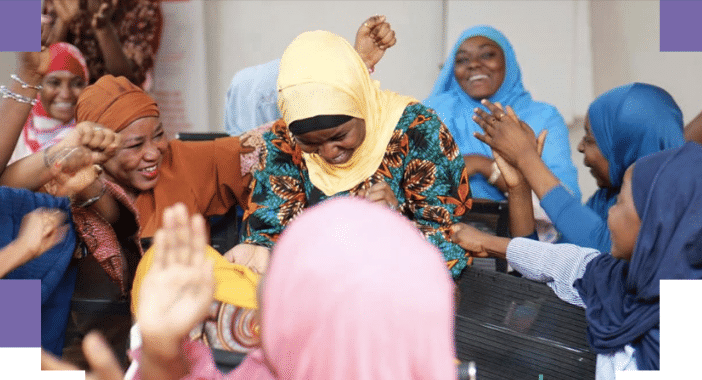
The reports also highlight organizations working to prevent and respond to online abuse through digital literacy training, survivor support, secure communication systems, and educational resources. Feminist technology can take many forms, from encrypted messaging and internet connectivity to community archives, digital storytelling, and practical training that helps people protect themselves online.
The report also calls attention to the need for holistic digital security that considers physical safety, online risks, and psychosocial well-being. GRF concludes with recommendations for funders to treat feminist technology and digital security as essential infrastructure for crisis response, human rights, and gender justice.
Ultimately, the reports emphasize that girls and young feminists should not be viewed solely as victims of digital violence, but as leaders developing creative and necessary responses to it. Their work shows how technology can be transformed into a tool for care, resistance, and collective action. By providing consistent resources and placing communities at the center of technological development, funders can help build digital spaces that are safer, more accountable, and better equipped to support movements for gender equality and social justice.