In the wake of extraordinary shifts in the world of humanitarian aid in the past few years, Channel grantee partner the Alliance for Feminist Movements (AFM) launched a toolkit whose aim is to make clear how humanitarian donors can improve their effectiveness by better supporting women-led organizations (WLOs) already responding to a variety of crises across the globe. This very timely guide, published October 15, 2026, “Innovative Funding Mechanisms to Advance Localization and Gender Equality in Humanitarian Response: Practical Guidance to Support Local Women-Led Crisis Responders,” highlights the critical role that women’s and feminist organizations already play during crises. Despite their effectiveness, AFM points out the fact that women-led organizations receive less than 1% of international humanitarian funding according to a 2025 UN Women study cited in the toolkit. Given this situation, AFM is pleased to share innovative funding strategies and a guide to help donors to direct resources more quickly and effectively to local women-led crisis responders.
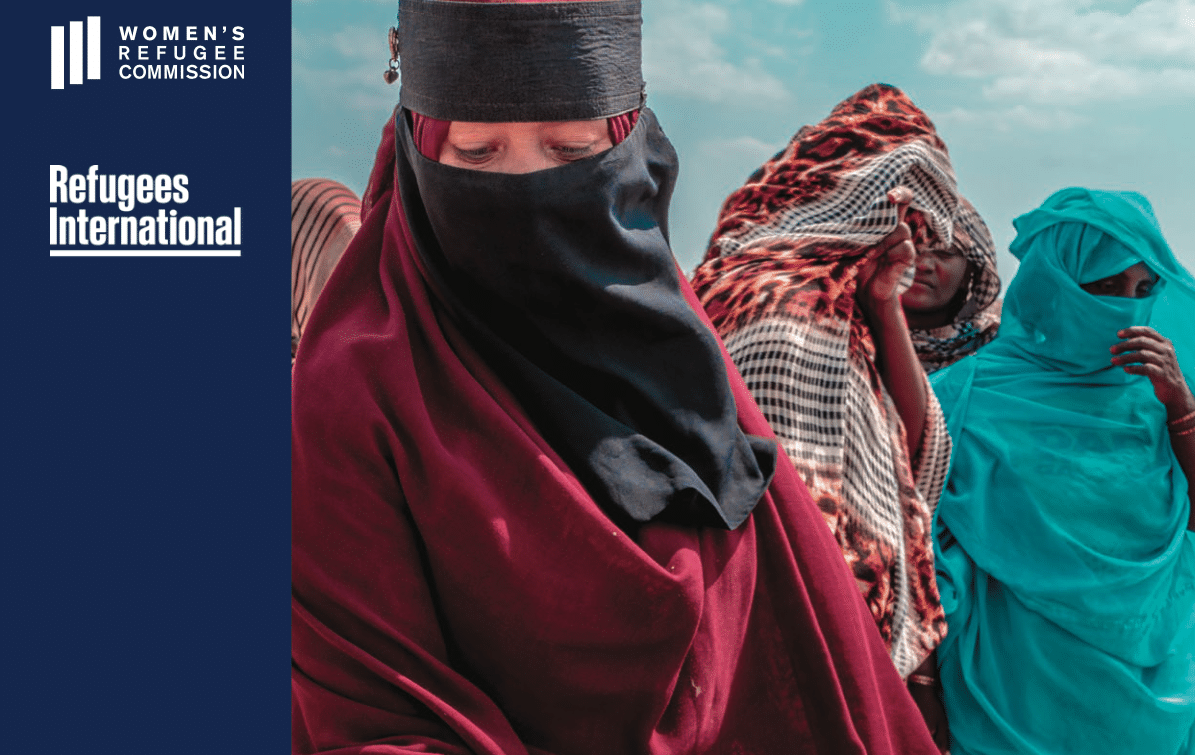
This toolkit emphasizes that women-led organizations are often among the first to respond to emergencies and the last to leave. These organizations can reach populations that traditional humanitarian systems frequently overlook, like women and girls, LGBTQI+, people with disabilities, displaced communities, and the undocumented. These organizations go beyond distributing food, water, shelter and healthcare; they provide gender-based violence, legal, and psychosocial services. AFM argues that investing in these organizations before crises occur is essential to ensuring a rapid and sustainable response.
Many humanitarian actors are increasingly interested in reaching local communities. The toolkit identifies several funding mechanisms that can help donors reach local communities: these include consortia, intermediaries, multilateral funds, pooled funds, rapid response funds, and specialized women’s and feminist funds. These mechanisms are not mutually exclusive and can reduce administrative burdens to support informal and unregistered groups.
AFM also examines the challenges that prevent local organizations from receiving adequate funding because of complicated application procedures. The toolkit argues that donors should simplify this process and provide flexible funding that allows local responders to adapt as circumstances change.
A central focus of the toolkit is on the importance of directing resources to organizations that understand the specific needs of their communities. AFM encourages donors to work with national and regional women’s and feminist funds, which can connect funding to local responders in areas experiencing armed conflict, natural disasters, political violence, and other emergencies.
To demonstrate the effectiveness of these approaches, AFM presents powerful case studies of women-led crisis response across several regions. In Nepal, the women’s fund Tewa mobilized existing community networks following the 2015 earthquake, distributing thousands in aid and helping approximately 25,000 households within the first 70 days. In Ukraine, the Ukrainian Women’s Fund launched a rapid-response grant program within five days of Russia’s full-scale invasion. In Sudan, WLOs feed more than 27,000 households in armed conflict zones. AFM argues that these examples demonstrate why funding must be adaptable enough to respond to rapidly changing circumstances.
With an aim to highlight the depth and breadth of organizations working on promoting inclusive crisis response, the toolkit highlights allied groups like the Better Preparedness Initiative, the Prospera International Network of Feminist Funds and the Feminist Humanitarian Network, all of whom are part of the ecosystem of organizations working at this intersection.
Perhaps most importantly for donors, AFM has also created a Register of Intermediary Funds and Coordination Bodies, which provides a list, current as of 2026, of intermediary funds that provide support to feminist and women-led movements and crisis response actors across the globe.
AFM concludes by calling on humanitarian donors to make women-led crisis response a central component of their funding strategies. The report recommends providing flexible, multi-year funding, strengthening partnerships with local and feminist funds, reducing unnecessary administrative barriers, and ensuring that women-led organizations have meaningful influence over humanitarian decision-making. Ultimately, AFM argues that investing in local women-led crisis responders is essential not only to improving emergency assistance but also to advancing gender equality, strengthening community resilience, and ensuring that humanitarian responses are inclusive and accountable to the people they serve.